

A few days ago, I had my final supervision meeting of the year with my advisor, bringing 2024 to an early close. My PhD program began this September, and at the start of the term, a professor in our department said: “A PhD isn’t a sprint, it’s a marathon.” Several months in, I now feel it’s more like a series of interval runs—my energy, confidence, and emotions fluctuate continuously in cycles of weeks or days.
On good days, I feel I can easily write hundreds of words; on bad days, I can’t absorb a single word from my readings and can only manage mindless tasks like replying to emails. When I’m confident, I feel like I’m finally adding bricks to my castle; when I’m insecure, I realize this castle is made of sand—it doesn’t even need a big wave, a gentle breeze is enough to strip away a layer.
I’ve always considered myself an emotionally stable person, but when I consciously observe my emotional changes, I realize I might just be going crazy calmly. It’s like when everyone thinks you’re methodically, confidently, and dispassionately handling your work, but actually, the little monsters inside me are roaring! A thousand wild horses are galloping across my mental prairie!
But no one hears these silent screams, and this great migration of animals only tramples across my state of mind. Sometimes I even curse at the air on the street, quickly glancing around to make sure no passersby misunderstand. Although these emotions occupy only a small part of my life, they are very real. After the emotions settle, I often find myself somewhat amusing, thinking I might have overreacted. If my joy, anger, sorrow, and happiness are all so fragile, how can I ever develop a stable core?
中文
前几天和导师开了本年度最后的一次指导会,算是提早给2024年画上了一个句号。我的博士项目从今年九月份开始,开学的时候院里的老师说:博士不是短跑冲刺,而是一场马拉松。几个月过去后,我现在觉得它更像是好几组间歇跑的集合——以几周或者几天为单位,我的能量、自信、和情绪都在不断波动。
状态好的时候感觉自己一天写个几百字不成问题,状态不好的时候一点书都看不进去,只能回复邮件做些无脑的事情;自信的时候觉得终于开始给自己的城堡添砖加瓦了,自卑的时候却发现这个城堡原是沙子做的,都用不着一个大浪,一阵微风吹过就给剥掉一层。
我自认为是个情绪相对平静的人,但当我有意识地观察自己的情绪变化时,才发现我可能只是在平静地发疯罢了。就是那种大家都以为你在按部就班地、胸有成竹地、不带情绪地处理着手头事务的时候,其实我内心的小怪兽正在咆哮!草原上有一万匹草泥马在奔腾!
但是这无声的呐喊没有人听到,这场动物大迁徙踏过的也只是我的心境。我偶尔也会在大街上对着空气骂两句,骂完还赶紧瞅瞅四下,生怕有人经过误会。虽然这些情绪只占我生活很小的一部分,但它们是真实存在的。等情绪平复后,我又常常觉得自己有点好笑,觉得未免小题大做了。如果我的喜怒哀乐都如此不堪一击,到底怎样才能拥有稳定的内核呢?
Little Emotions in My Brain
I’m reminded of Pixar’s movie “Inside Out.” The film personifies each emotion as little characters working inside everyone’s head, living in a central control room where they begin their work as we wake up each day. Their workspace consists of a massive screen and a control panel—the screen shows what we’re doing and who we’re interacting with at any given moment, while the different emotional characters adjust our emotional responses by operating the control panel.

As we grow up, our emotions become increasingly diverse. In the first movie, the little girl only had emotional characters representing Joy, Anger, Sadness, Fear, and Disgust, so her reactions to everything were relatively simple: laugh when happy, cry when sad, shout when angry, scream when scared, and hide when disgusted. But in the second movie, as the girl enters puberty, new characters move into the control room, including Embarrassment, Envy, Anxiety, and Ennui (I can’t help but note: Embarrassment, who keeps hiding in hoodies, is just too adorable!).
These diverse emotions help us handle more complex matters and interpersonal relationships. Some seemingly negative emotions actually serve positive purposes—for instance, fear helps us avoid risks, while anxiety motivates us to plan for the future. The movie shows us in a tangible way that each emotion has its own control button, but if we let a single emotion dominate for too long, it can have negative consequences. For example, when we’re completely dominated by anxiety, it can trigger a panic attack—heart palpitations, chest tightness, inability to move, becoming frozen and unable to do anything, completely losing our sense of control over the situation and the unknown.

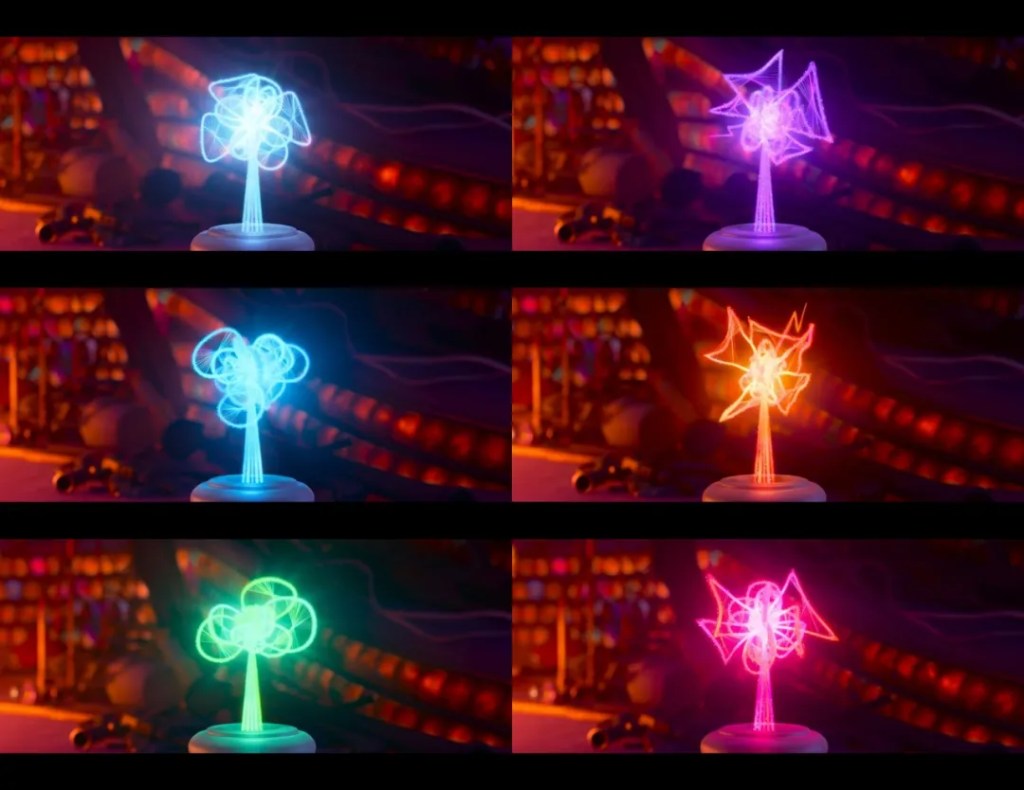
The movie has a unique concept about memory and self-awareness: when the young protagonist experiences something and has an emotional reaction, it creates a memory orb tinged with that emotion’s color. Particularly significant memories become “core memories,” forming several key personality islands. Deep within these memories lies a “belief system,” where memory orbs that flow into this nurturing ground grow roots like piano strings—when plucked, they sound out a belief, such as “I can do better” or “I’ve done my best.” These numerous beliefs ultimately construct the tree of self-awareness.
In the first movie, the emotional characters, in their effort to protect the protagonist, only allowed happy memories to merge with this belief system, exiling other less pleasant memories, and even locking the darkest memories away in a dark room. But in the second movie, they realize that all of the protagonist’s experiences, both good and bad, should be preserved—roots of different colors are needed to form a more three-dimensional and complete sense of self.

Following this concept, my emotional fluctuations must have already merged into my belief system, quietly shaping my understanding. Although they don’t exist in written form, words can convey these subtle experiences to you, the reader on the other side of the screen. If you’re pursuing a PhD, or doing anything that requires long-term commitment, mainly independent work, and feels slightly beyond your current abilities, perhaps you can find resonance in these ten memory orbs?
头脑里的情绪小人
我想起皮克斯的电影《头脑特工队》。电影将每种情绪具象化为在每个人脑子里工作的小人,他们生活在一个中央控制室里,每天随着我们的苏醒而开始工作。他们的工作环境由一个巨大的显示屏和控制面板组成 ——显示屏里播放着我们此时此刻在做的事情、面对的人,而不同的情绪小人则通过按动控制面板来调节我们的情绪反应。
从小到大我们的情绪会变得越来越多样。电影第一部里小女孩只有喜怒哀惊厌的情绪小人,所以她对任何事情的反应都比较简单:开心就笑、伤心就哭、生气就吼、惊吓就叫、讨厌就躲。而在第二部里,随着小女孩进入青春期,情绪控制室里进驻了一些新的小人,包括尴尬、羡慕、焦虑和厌倦(忍不住感慨一下:动不动就把自己藏进帽衫里的尬尬真是太可爱了!)。
这些多元的情绪帮助我们应对处理更为复杂的事务以及人际关系。其中一些看似负面的情绪其实也有着积极的作用,比如恐惧帮助我们规避风险、焦虑促使我们规划未来。电影中以具象的方式告诉我们,每个情绪都可以按控制按钮,但是如果让单一情绪占据过分长的时间,就可能造成负面的影响。例如当我们完全被焦虑支配时,就会触发恐慌发作——心悸胸闷、无法移动、整个人僵在那里什么都做不了,完全失去对局面和未知的掌控感。
电影对于记忆和自我意识有着独特的设定:当主角小女孩经历一件事情并作出情绪反应后,便会形成一个带有该情绪色彩的记忆小球。其中特别重要的记忆会变成“核心记忆”,形成几个关键的性格岛屿。在这些记忆深处有一个“信念系统”,流入这个培育园地里的记忆小球会生长出琴弦般的根系,拨动它能够听到一个信念的声音,比如“我还可以做的更好”、或者“我已经尽力了”。众多的信念最终构筑成了自我认知之树。
在第一部中,情绪小人们为了保护主角,只允许美好的记忆融入这个信念系统,而放逐了其他不那么愉快的记忆,甚至将最为黑暗的记忆锁在暗室之中。而到了第二部,他们意识到主角所有的经历,无论好坏,都应该被保留——更多不同颜色的根系才能形成更为立体和全面的自我认知。
遵循着这样的设定,我的情绪波动想必已经融入了我的信念系统,默默塑造着我的认知。虽然它们不以文字的形式存在,但文字可以将这些微妙的体验传递给屏幕前的你。如果你正在读博,或者在做任何一件需要长期投入、以独立工作为主、相对自己当下能力而言略显吃力的事情,或许能在以下这十个记忆小球中找到共鸣?
Finding Theoretical Frameworks
Memory Orb 1 [Embarrassment + Anxiety]
When school started last year, I felt like I was swimming naked in the academic ocean. My summer master’s thesis gave me a swimsuit. Wearing it at least made me appear somewhat decent, but there was always a nagging voice inside: isn’t this just like the emperor’s new clothes?
Memory Orb 2 [Anxiety + Dejection]
To avoid drifting aimlessly with the currents, I tried to find some theoretical anchors in this ocean through more reading. So far, the process has been something like this:
- One moment I spot an ocean oasis, desperately grabbing onto it like a lifeline, only to discover it’s merely duckweed—beautiful to look at but unable to take root (reminds me of those concepts that sound cool but are difficult to apply);
- Swimming a bit further, I find a ship, thinking I could elegantly ride the waves aboard it, only to discover after climbing on that the hull has started leaking (like when I’ve grown attached to a concept, only to suddenly discover articles that brutally criticize it);
- Then there are times when I see a glacier with many people perched on top. We all know that this visible white tip is just the tip of the iceberg, and we can’t fathom the enormous mass beneath the sea (when I select parts of a concept that I can understand to use, yet never fully grasp its entirety).
寻找理论框架
记忆小球1【尴尬+焦虑】
去年开学的时候觉得自己在学术的海洋里裸泳,暑假的硕士论文给了我一条泳衣。穿上好歹让自己显得体面一些,但是内心始终隐隐有个声音:这莫不是个皇帝的新衣吧?
记忆小球2【焦虑+沮丧】
为了不让自己随波逐流,我企图通过更多的阅读在这个海洋里找寻一些理论锚点。这个过程到目前为止大致是这样的:
- 一会儿看到一个海上绿洲,如救命稻草般地赶紧抓上去后发现它只是个浮萍,看似美丽却无法扎根(想起那些看起来酷炫实则难以运用的概念);
- 又游了一会儿发现一艘船只,似乎上船能够让我优雅地乘风破浪,然而上去之后才发现这艘船底已然开始漏水(例如已经对于某个概念产生感情后突然发现狠狠抨击它的文章);
- 再有的时候看到一个冰川,上面趴着许多人。我们都知道露出来的这抹白色只是冰山一角,海底的庞大体积我们无法参透(挑选某个概念我所能理解的部分去使用,却始终没能理解其整体)。
Dealing with Feedback
Memory Orb 3 [Avoidance]
After sending drafts to my supervisors, I can breathe easier for a few days, until suddenly seeing that email notification—”Your supervisor has added xx comments to the document!” I pretend not to see it, burying my head in the sand like an ostrich, please let my peace last just a little longer.
Memory Orb 4 [Anxiety]
A day later, I open the document, first quickly scanning for any fatal flaws, occasionally stung by question marks, ellipses, and the tone I imagine behind them (even though my supervisors are truly all very nice!); only mustering the courage to carefully go through all the comments the day before our meeting, after mentally preparing myself.
面对反馈
记忆小球3【逃避】
每次给导师发完写的稿子后的几天可以喘息一下,但不知道啥时候就突然看到邮件提醒——“你的导师给文档添加了xx条评论!”我装作看不见,像鸵鸟一样把头埋在土里,请让我的平静延续更久一些。
记忆小球4【焦虑】
过了一天打开文档,先快速浏览一遍看看有没有啥致命伤,偶尔会被一些问号、省略号、以及自己幻想的语气所刺痛(虽然我的导师人真的都很好!);直到开会前一天才鼓起勇气、做好心理建设再仔细过一遍所有评论。
Supervision Meeting
Memory Orb 5 [Anxiety]
Each month, after “returning from sea,” I need to go ashore and report my findings to my supervisors. So I bring my catch – two fish, a few shrimp and crab soldiers, and some seaweed – offering up a pot of “seafood hodgepodge.” If my supervisors can bring themselves to taste it, it must be somewhat presentable; if they can swallow it, it must not be poisonous; and if they actually taste some flavor, it means there must be some good ingredients mixed in there! Until the meeting, I never know if it will be palatable… When will I develop my own evaluation system instead of picking through things like I’m shopping at a fish market?
Memory Orb 6 [Urgency]
Each one-hour meeting is like speed dating: after a few minutes of small talk at the beginning and end, even speaking at 1.5x speed wouldn’t give us enough time to discuss all the questions I want to cover. While talking, I keep glancing at my phone to check the remaining time, mentally sorting my questions by priority.
Memory Orb 7 [Fatigue]
The intense discussions leave me in a daze for days after the meetings. There’s clearly a pile of things to do, but I can’t find any motivation to start. My head is stuffed full of suggestions and ideas, but I don’t know where to begin—just let me lie down for two more days!
指导会议
记忆小球5【焦虑】
每个月“出海归来”的我需要上岸给导师汇报成果,于是我带着捕获的两条鱼、几个虾兵蟹将和一些水草,献上一锅“海鲜乱炖”。导师还能动嘴吃说明看的过去,能吃得下去说明没毒,若是吃出了一些滋味则说明中间居然夹杂着一些好货!不到开会的时候我也不知道好不好吃……什么时候我才能形成自己的评价体系而不是像在菜市场里买菜似的挑挑拣拣呢?
记忆小球6【急切】
每次开会的一个小时就像是一场速配约会:开头和结尾的寒暄花掉几分钟之后,就算是语速1.5倍后剩下的时间也永远无法讨论所有我想讨论的问题。一边聊着一边还得看看手机还剩多少时间,在心里快速排序着问题的优先级。
记忆小球7【厌倦】
高强度的讨论导致开完会的几天精神恍惚,明明有一堆事要做但是没有一点儿开始的动力。脑子里塞满了建议和想法,却不知从何开始——就让我再躺两天吧!
Daily Work Life
Memory Orb 8 [Envy + Irritation]
When I can’t write anything, I hear other colleagues in the office frantically typing away—the click-clack of keyboards seemingly reminding me just how low my productivity is.
Memory Orb 9 [Guilt]
I arrive at the office after 9 AM, and since daylight savings time began, I head home before 3 or 4 PM while it’s still light out. Even counting generously, I barely manage 30 hours a week. Each time I delude myself into thinking I’ll work after getting home, but after dawdling around, it’s suddenly bedtime—what have I even done all day?!
Memory Orb 10 [Anxiety]
At the start of term, I signed up for many training sessions and social activities, filling my schedule so densely it looked fulfilling! However, as the semester progressed, I quietly cancelled 50% of my registrations. We all feel we don’t have enough time to read, while simultaneously feeling we need to socialize, endlessly struggling between these two needs.
工作日常
记忆小球8【羡慕+烦躁】
自己写不出东西的时候听到办公室别的同事疯狂敲键盘的声音——啪嗒啪嗒的键盘声仿佛在提醒着我的效率有多低。
记忆小球9【愧疚】
早上九点多到办公室,冬令时之后天黑之前三四点就回家了。满打满算好像一周干30个小时都悬。每次都妄想着回家之后还能工作,但是磨蹭磨蹭又到了该睡觉的时候,我这一天都干了啥?!
记忆小球10【焦虑】
一开学给自己报名了很多培训和社交活动,把日程填的满满当当看着就很充实!然而随着学期深入默默取消了50%的报名。我们每个人都觉得没有足够的时间阅读,同时又觉得需要去和人交流,在二者之间循环往复地挣扎。
To Conclude
These complex and varied emotions aren’t unique to me alone. During a discussion with professors, one question left a deep impression on me. A student asked the professors present: “How did you gradually get used to the feeling of journal rejections?” The answer was “never”—it never becomes a comfortable experience, no matter how many times you’re rejected, you’ll still feel the sting of unfair feedback and trampled efforts. Similarly, professors with years of research experience also suffer from imposter syndrome: even while writing that they’re “an expert in a certain field” for professorship applications, they might still feel uncertain about this label. Even scholars with an impressive number of publications can’t escape immediately disliking their own writing after finishing it, and still want to slap themselves when they find typos in their printed books. Rather than saying they’ve found ways to avoid negative emotions, it’s more accurate to say they’ve learned to coexist with them, or rather, accepted their existence.
As you read this article, which emotional character is pressing buttons in your head right now? See them, give them this space and time, and then continue on your way.
结语
这些纷繁复杂的情绪并非我一个人的独特体验。在一次和老师们的讨论中,一个问题让我印象深刻。一位同学问在座的老师们:“你们是怎么逐渐适应被期刊拒稿的感受的?”得到的回答是“never”——这永远不是一件让人舒服的事,无论被拒绝多少次,你还是会因为觉得反馈不公、心血被践踏而感到刺痛。同样地,研究多年的教授们也会有冒充者综合征:在申请评选教授时虽然写着自己是“某一领域的专家”,却依然可能会为这个标签感到心虚。甚至那些发表数量惊人的学者,也免不了写完就开始嫌弃自己的文字,看到印刷的书里有错别字时还是会想狠狠扇自己两巴掌。与其说他们找到了避免负面情绪的方法,不如说他们学会了与之共处,或者说,接受了它们的存在。
看这篇文章的你现在头脑里是什么情绪小人在按按钮呢?看见他,给他这个空间和时间,然后继续上路吧。
 Claire Zhuo Pang